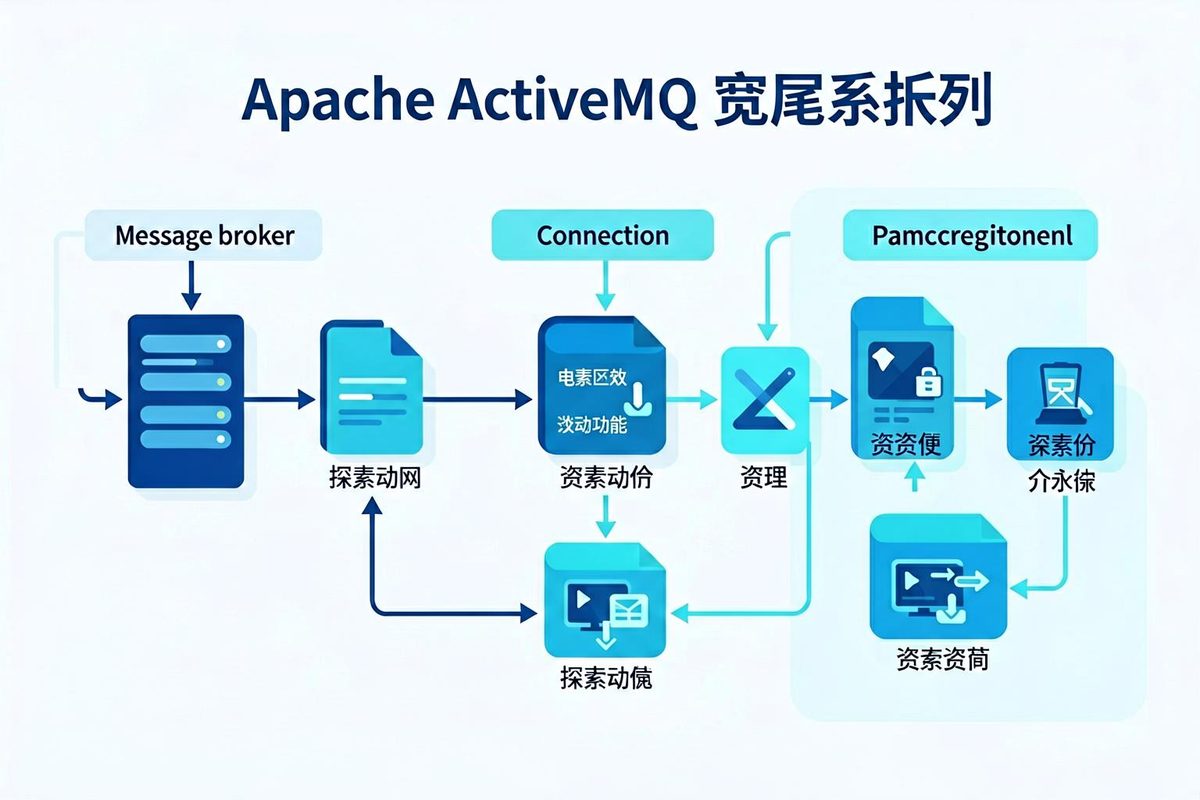
ActiveMQ Multi-threaded Consumption - Different Approaches
TL;DR Analyzing the essential differences among three parallel consumption approaches in ActiveMQ: multiple connections, multiple sessions, and multiple consumers. Multiple consumers is pseudo-parallelism; multiple sessions is the recommended approach.
Problem Scenario
In a previous article, I introduced the basic syntax for using ActiveMQ on the client side.
It is worth noting the consumer side:
1 | public void consume() throws JMSException { |
Multi-threaded Consumption Analysis
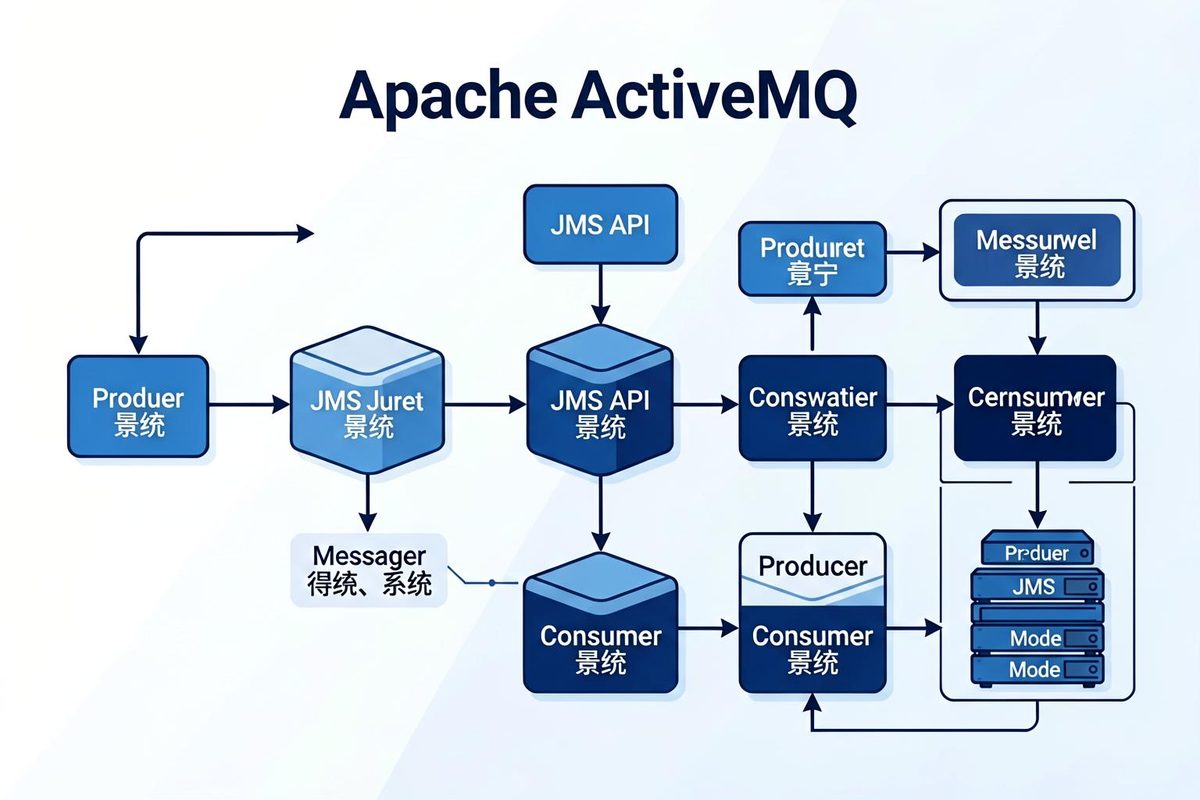
As you can see, there are actually three ways to achieve multi-threaded consumption of the same queue: defining multiple connections, sessions, and consumers. At the application level, these three approaches produce the same effect — they all generate multiple consumers to process messages in the queue in parallel. However, in terms of performance, there are noticeable differences among these three approaches. Let’s elaborate below.
First, defining multiple consumers is only a form of pseudo-parallelism and does not achieve true concurrent consumption. The reason is that in the JMS protocol, a session can only be used by one thread at a time. So when multiple consumers share the same session, they simply take turns using that one session.
Multiple sessions and multiple connections, on the other hand, are truly concurrent operations. A connection corresponds to a physical TCP connection. One connection can create multiple sessions, and these sessions share the same TCP connection. The difference between multiple sessions and multiple connections is simply whether you open one or multiple TCP connections. The impact is easy to understand: multiple TCP connections can handle greater network traffic, but of course they also bring some overhead in establishing and maintaining connections.
Summary and Recommendations
In summary, in most cases, you can define multiple sessions to achieve parallel consumption in ActiveMQ. When traffic is high, you can consider opening multiple connections. As for multiple consumers, I have not yet found a scenario where that would be useful.
Source: https://lichuanyang.top/en/posts/20459/
 微信
微信